


Leadership Development Workshops

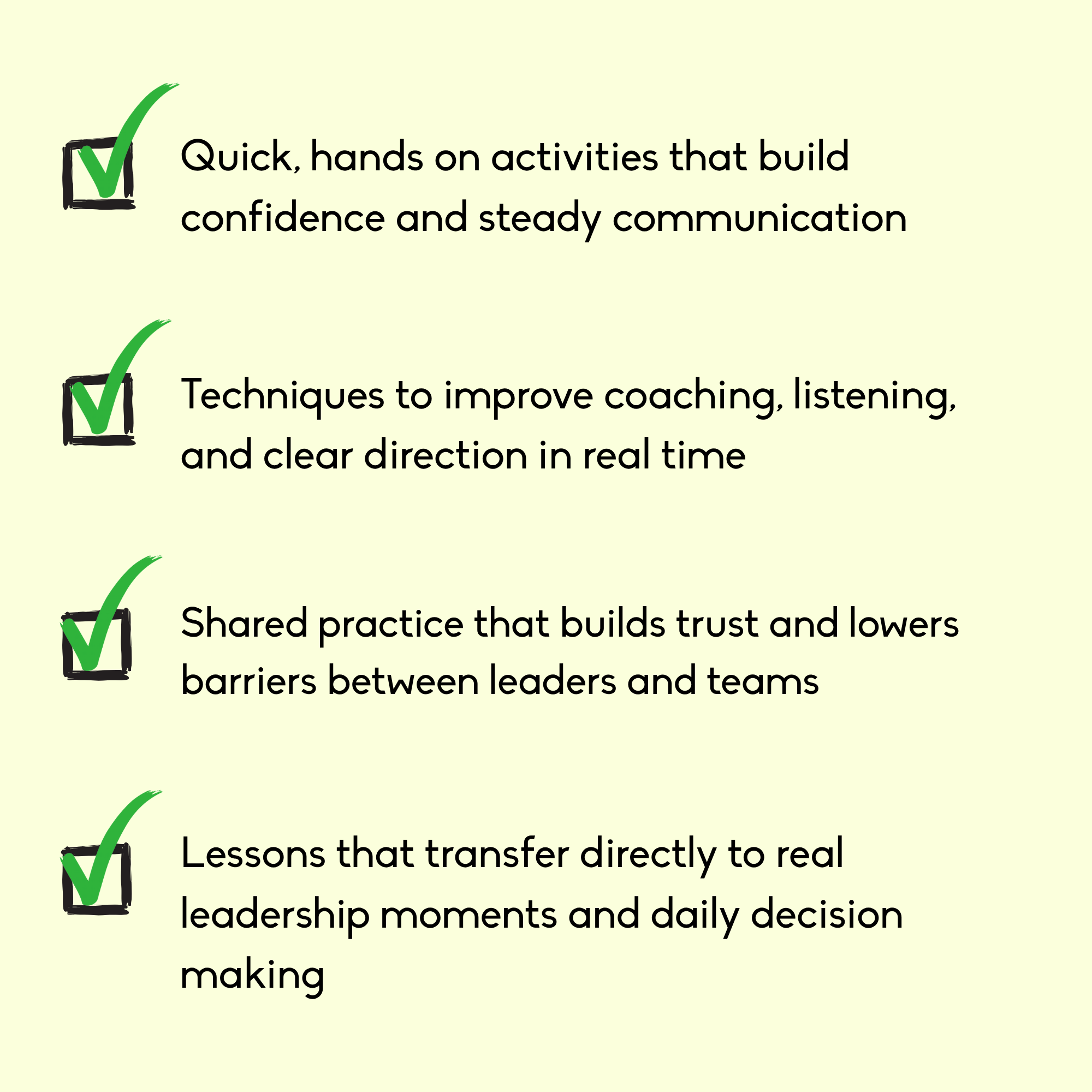
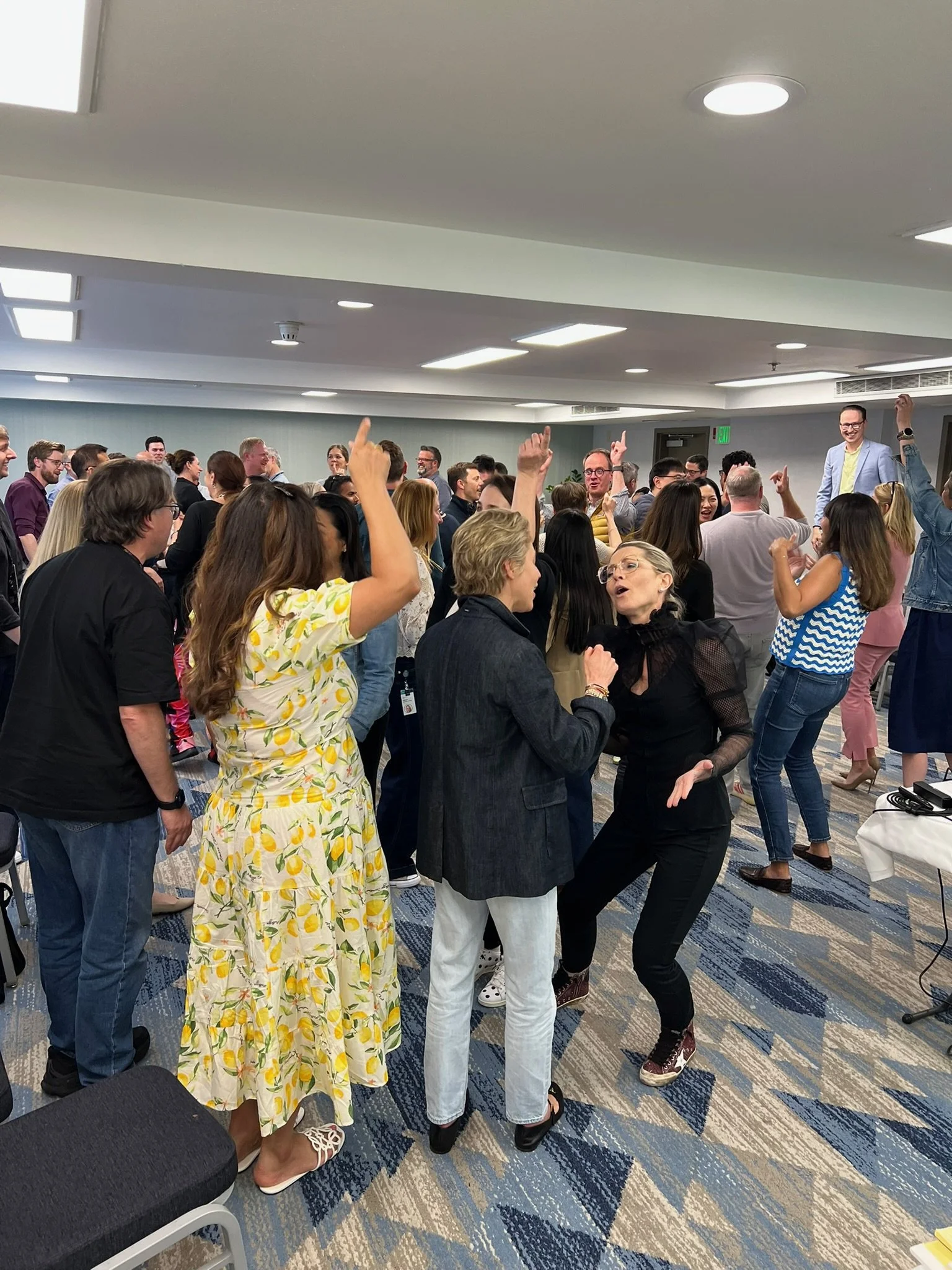
Leadership development should feel useful, clear, and grounded in real behavior, not theory people forget after the session ends. WitWorks leadership development workshops help managers and emerging leaders build confidence through active listening, steady communication, and intentional decision making. Using improv based practice, participants learn how to speak with clarity, guide others in the moment, and adjust when conditions change. Every exercise reinforces habits leaders need at work. The pace stays interactive and practical. No long lectures. No wasted time. Just real skills applied in real moments.
What You’ll Experience
What Teams Love



Frequently Asked Questions
-
Call us crazy, but we don't think leadership can be taught in slides. Our exercises offer a fresh, creative approach to leadership development. Through the lens of professional improvisers, we help leaders practice core improv principles like “making your teammate look good” and active listening. If you want leaders who foster supportive, psychologically safe environments, we can help.
For more on this check out “Team Building Through Improv: How WitWorks Accelerates the Five Stages of Team Development.” -
These workshops support leaders at every stage. They work well for:
• New managers shifting from doing the work to guiding others
• Emerging leaders who want more confidence and influence
• Experienced leaders who need stronger communication and coaching habits
• Cross functional teams rotating leadership roles
• Leaders moving through change or team growth
• ERG leaders seeking practical skills that support their communitiesThe content adjusts to the people in the room. The exercises stay accessible for all experience levels. A background in public speaking is not required.
For leaders who want context on culture and growth, share “Why WitWorks? Because Real Growth at Work Should Feel Human.” -
Yes. You can run these workshops in several formats:
Small groups (6 to 20 people)
• More coaching and deeper practice
• Time for individuals to speak, reflect, and try new approachesMedium groups (20 to 60 people)
• A mix of high energy exercises and targeted debriefs
• Clear links to daily leadership behaviorsLarge groups (60 to 200 plus)
• Interactive keynote style with short, simple prompts
• Shared moments that strengthen alignment and energyVirtual or hybrid sessions
• Exercises using chat, reactions, and breakout rooms
• Strong structure that keeps remote participants active and includedFor retreat or summit planning, share “Harnessing Improv: Transforming Remote Work and Company Conferences for Success.”
-
Many programs rely on slides and theories. WitWorks builds leadership skills through real behavior, psychological safety, and active learning. You get:
• Facilitators with intenational experience across industries
• Sessions shaped around your real leadership and communication challenges
• Clear links between activities and workplace situations
• A warm, grounded tone that supports all personalities
• A structure that builds trust, not just quick laughsLeaders leave with practical language and behaviors they can use right away.
If sponsors want more insight, share “The Playful Path to Trust: How Improv Builds Psychological Safety at Work.” -
Leaders build skills they use every day, including:
• Listening fully before responding
• Communicating expectations in simple, direct language
• Giving specific and supportive feedback
• Handling challenges without adding stress
• Coaching with clarity and patience
• Adjusting in the moment when plans shift
• Naming assumptions to prevent confusion
• Using “yes, and” to build alignmentThese habits show up in one-on-one conversations, team meetings, client work, and uncertain moments when leaders need to guide others. Over time, these skills reduce miscommunication and strengthen culture.
For deeper growth context, share “Be Changed: The Improv Principle That Teaches Real Leadership” and “Fake Collaboration: An Improv and Workplace No-No.” -
These workshops support daily leadership responsibilities by helping people:
• Run clearer meetings that end with shared decisions
• Coach direct reports with practical, concise guidance
• Navigate conflict without raising defensiveness
• Create conditions for psychological safety while keeping accountability
• Communicate with confidence under pressure or uncertaintyStronger leaders shape stronger cultures. When managers communicate clearly, teams stay focused. When leaders model curiosity and steadiness, people feel safe to participate. When leaders stay adaptable, teams handle change with less friction.
Here's Our Process